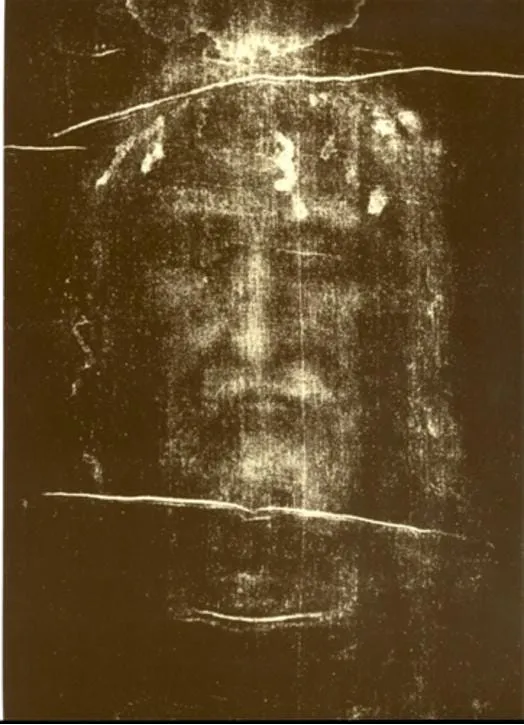
Myths & Truths of Following Jesus Christ
Exposing the lies that many so-called Christians believe today
That Jesus of Nazareth was a real person in history is nearly undisputed.1
And, remarkably, despite his brief time on earth, there are an estimated 2.5 billion living followers of Jesus — about one-third of the world’s population — and the number of believers since the first century likely surpasses 8 billion, the equivalent of the current global population.2
Why do so many people follow Jesus? Why are there examples of both incredibly good and inspiring deeds, while at the same time, so many absolutely terrible deeds done in Jesus’s name? What is really true about being a disciple of Jesus—and what isn’t?
Let’s look in an unexpected place: The End
According to Jesus, many people who identify as Christians are tragically mistaken—they don’t actually know Him. He also has no desire to associate with them.
How terrifying—on the day of judgment—for someone to call out to Jesus, only to hear, “I never knew you. Depart from me.” Yet Jesus warns that many will face this fate.
These people seem sincere at first glance. What are they getting wrong?
- They call Jesus “Lord, Lord” - crying out with emphatic praise, on the outside. In first-century Jewish culture and earlier, repeating words signified emphasis (e.g., “Holy, Holy, Holy…”). But this worship must have been external and not go far beneath the surface.
- Did we not? - They essentially say “look at all we did for you” This thinking persists today: “if I do more good things than bad”, or “If I’m a good person”, or “if I go to church”, then “I can earn God’s favor.” However, any real follower of Christ knows that “works” is not how it works.
- I never knew you - Jesus doesn’t say, “I knew you once” or “you almost made it.” Instead, he says “never.” They misunderstood the truth that Jesus taught and completely missed the mark.
If you’re reading this, I beg you to take advantage of this opportunity to pause and reflect on your eternal future: Are you certain you won’t experience that reality on the last day?
That’s why I’ve prepared the chart below—to clarify popular myths about what true faith in Jesus looks like.
Disclaimer: I could invest hundreds of hours on such a chart and barely scratch the surface of the truths about Jesus. Therefore, please know this is only a starting place for the conversation and is not meant to be an exhaustive list.
However, I hope and pray that it blesses you. It’s in an image format so you can save it to your phone for future reference. In this post, you can click the image to zoom and scroll.

Thank you for reading, and I love you all!
Footnotes
-
The Christian historical accounts are recorded in the Bible’s Gospels. Jewish historical records include Flavius Josephus (c. 37–100 AD) and The Babylonian Talmud. Roman historical , see Tacitus (c. 56–120 AD), Suetonius (c. 69–122 AD), and Pliny the Younger (c. 61–113 AD). ↩
-
See The Center for the Study of Global Christianity at Gordon-Conwell Theological Seminary and Pew Research Center. ↩